
Whether you were left to your own devices in your garden, or sent out to the local park for the day and not expected home until dark - as a child, being outside was just part of growing up. Today, however, the reality of growing up is different. Screens prevail. Fear of something terrible happening at the park when unsupervised supersedes rational risk-management. Children, in general, spend more time indoors, alone and self-occupied - a product of society no doubt - than ever before.
This means that time in school needs to provide as much of a counterbalance as possible.
Learning Beyond the Classroom
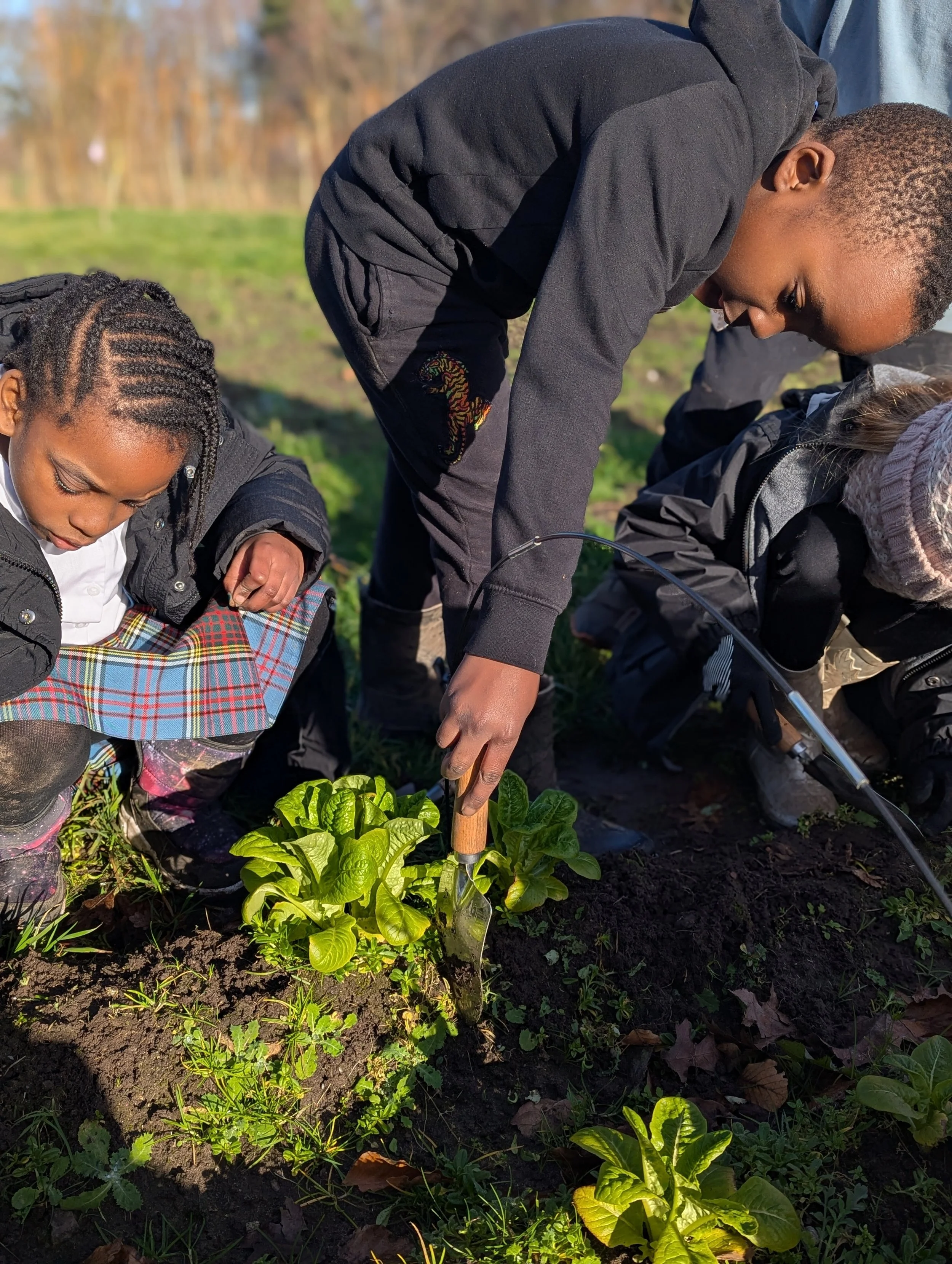
By engaging with the physical world, our pupils and your children benefit from what researchers call "sensory-rich" environments, which have been shown to improve long-term memory retention and reduce stress levels. Whether it is measuring the geometry of a planting bed to understand the perimeter, finding inspiration for creative writing in the rustle of the fruit alleys, or studying the historical impact of land use on our own doorstep, we ensure our children are physically and mentally active. This approach fosters a lifelong love for learning that is as expansive as the estate itself, ensuring that the farm is not just a destination for Science, but a canvas for our pupils' entire academic journey.
The Research Behind the Practice
To provide further context on why we have embedded this philosophy so deeply into our school life, we draw upon several key areas of educational and psychological research:
Attention Restoration Theory (Kaplan & Kaplan): Research suggests that natural environments provide a "soft fascination" that allows the brain’s directed-attention mechanisms to rest. For our students, this means that time spent on the farm "resets" their ability to focus, leading to improved concentration back in the traditional classroom.
The Natural Connections Project (Natural England): One of the largest studies on outdoor learning found that 92% of pupils reported enjoying their lessons more when outdoors, while 90% felt happier and healthier. This directly supports our school value of Nurturing Relationships, as children are more positive and collaborative in outdoor settings.
Cognitive and Academic Gains (American Institutes for Research): Studies into "place-based education" show that students in programs like our Community Farm often outperform their peers in standardized testing. The ability to apply abstract concepts—such as chemical reactions in composting or biological cycles in our fruit alleys—creates deeper "conceptual hooks" in a child’s memory.
Holistic Wellbeing: Continuous exposure to green spaces is scientifically linked to lower cortisol levels in children. By integrating the farm into the weekly timetable, we are proactively supporting the mental health and emotional resilience of every child at Cransley.
Core Educational Research
The Natural Connections Project (Natural England)
The Study: One of the largest UK-based studies on the impact of outdoor learning on school children.
Key Finding: 92% of schools reported that outdoor learning improved pupils’ engagement with learning and 90% reported a positive impact on health and wellbeing.
Attention Restoration Theory (ART) – Kaplan & Kaplan
The Study: A foundational psychological theory explaining why natural environments improve concentration.
Key Finding: Natural settings allow the brain to recover from "directed attention fatigue" (the tiredness caused by heavy screen use or intense classroom focus).
The Impact of Outdoor Learning on Science Attainment (Education Endowment Foundation)
The Resource: The EEF provides evidence-based summaries of teaching styles, including "Learning Outdoors."
Key Finding: Outdoor learning is particularly effective for Science, as it allows for "real-world" experimentation that cements abstract concepts.
The "Living Classroom" Philosophy
Learning in the Natural Environment (LiNE): Review of Social & Economic Benefits
The Paper: A comprehensive review by the University of Plymouth looking at how farms and school gardens build "social capital" and resilience.
Key Finding: Students in outdoor programs show significantly higher levels of self-esteem and social confidence.
Health and Wellbeing Benefits of Plants and Nature (Royal Horticultural Society)
The Resource: The RHS provides research summaries on how "hands-on" horticulture reduces cortisol (stress) levels in primary-aged children.
Sustainable Futures & Food Literacy
Why Farming Matters (LEAF Education)
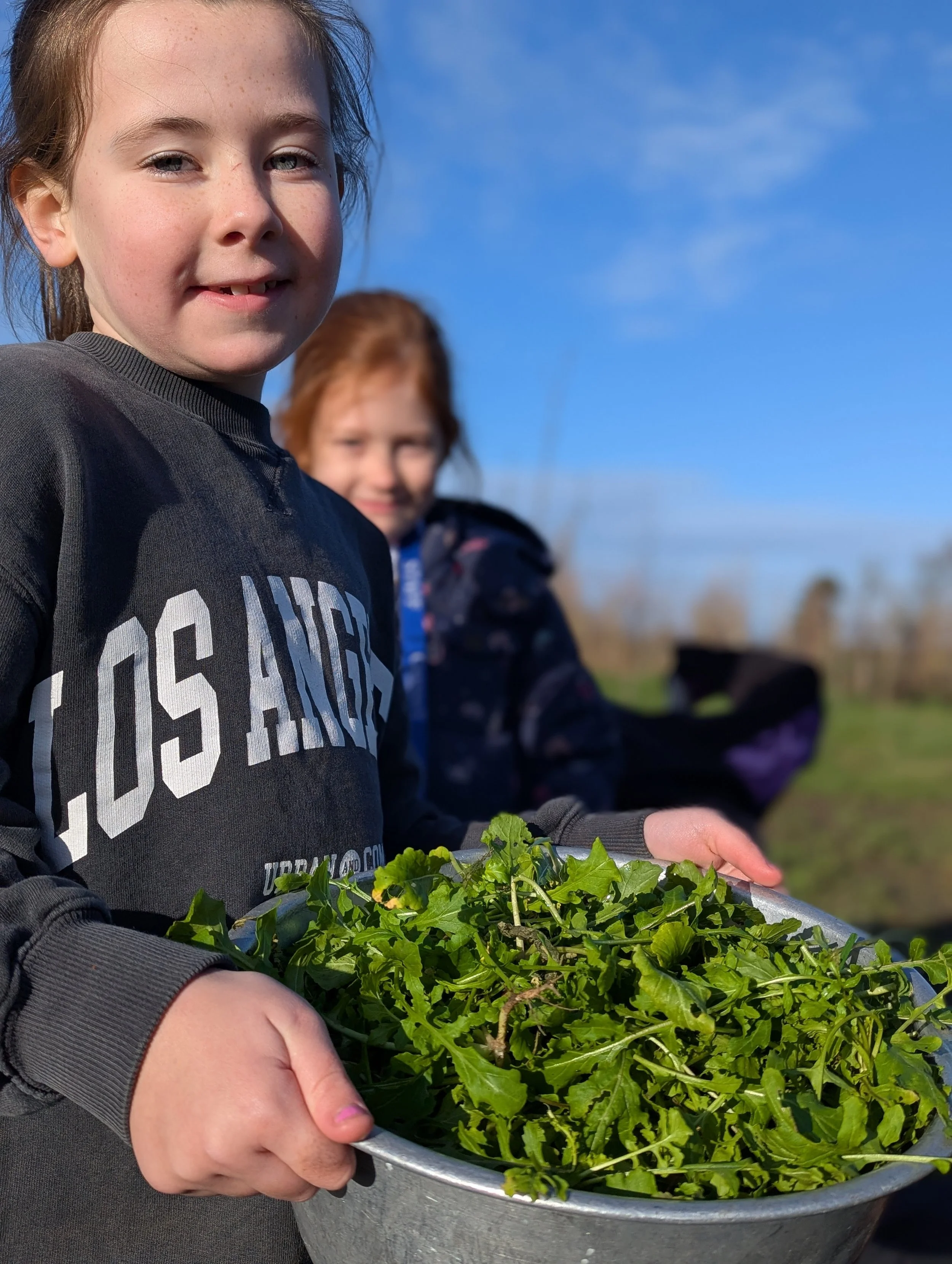
The Resource: Our curriculum uses many resources from Linking Environment and Farming (LEAF) to connect children with where their food comes from.
Key Finding: Understanding food systems is a critical component of "Sustainable Futures" and environmental stewardship.
Cransley Community Farm: A Living Classroom for Sustainable Futures
At Cransley, our Community Farm is more than just an outdoor space; it is a core strategic pillar of our Sustainable Futures Curriculum. One year into this ambitious project, we have successfully transformed 1350m² of land into a thriving, immersive environment where academic excellence meets practical stewardship. Our use of the Community Farm Project as a ‘living classroom’ has ventured well beyond the narrow scope of a ‘Forest School’, whilst recognising the value that tool use, shelter building and bushcraft skills have for young minds.
Mr Morris